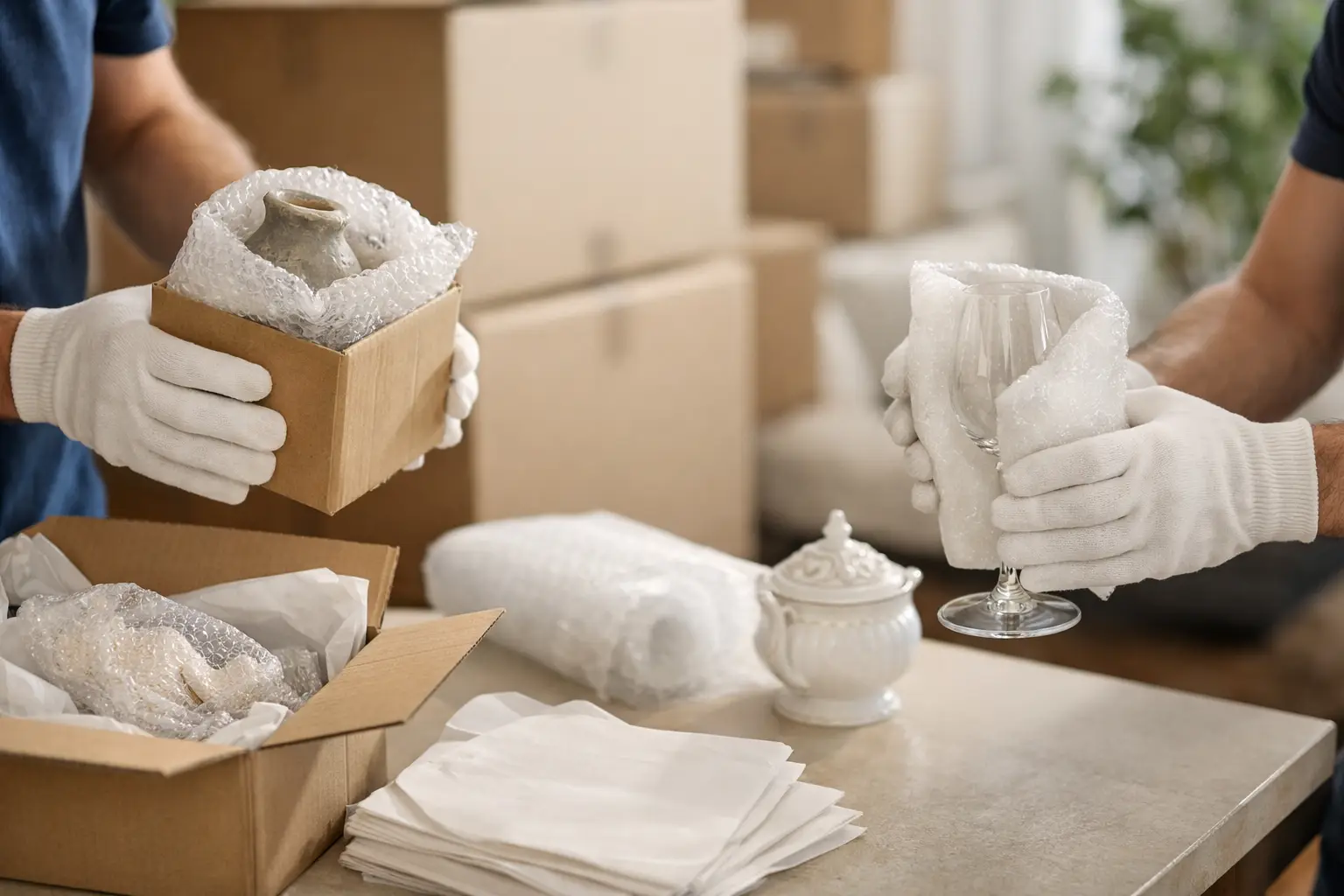
A box can look perfectly packed in the living room and still arrive with a cracked picture frame, chipped dish, or broken lamp. Safe fragile item moving depends on more than putting belongings in a box. It requires the right materials, thoughtful preparation, careful lifting, and a loading plan that keeps delicate pieces stable from the first pickup to final placement.
For families, renters, homeowners, and office teams across Dallas-Fort Worth, fragile belongings often carry more than a price tag. They may be wedding glassware, family photos, artwork, monitors, antiques, or equipment needed to keep a business running. Giving these items extra attention before moving day can prevent unnecessary damage and make settling in feel much easier.
Safe Fragile Item Moving Starts Before Packing Day
The safest move begins with a clear inventory. Walk through each room and identify items that are breakable, unusually shaped, heavy for their size, or especially valuable. This includes obvious pieces such as dishes and mirrors, but also lamps, framed art, electronics, decorative objects, glass tabletops, musical instruments, and small appliances.
As you sort, decide what needs professional packing, what you can pack yourself, and what may be better transported separately. A small box of personal jewelry or essential documents, for example, is often best kept with you. Large mirrors, artwork, glass furniture, and delicate electronics usually benefit from professional handling because their protection depends on both packing technique and safe transport.
This is also the right time to check the condition of high-value items. Take clear photos of artwork, furniture, and electronics before packing. For office moves, record serial numbers and note which equipment must be reconnected quickly at the new location. Documentation does not replace careful handling, but it creates a useful record and helps everyone stay organized.
Choose Materials That Protect, Not Just Fill Space
Used boxes may work for books or linens, but fragile items need clean, sturdy boxes that have not lost their shape. Weak cardboard can collapse when stacked, while oversized boxes encourage shifting. The goal is to create a snug, cushioned space around each item without making the carton too heavy to lift safely.
Use packing paper to wrap individual dishes, glassware, and decorative pieces. Bubble cushioning can add protection around vulnerable surfaces and corners, while foam sheets are often useful for frames, glass panels, and electronics. Packing peanuts and loose filler can help in certain situations, but they should not be the only protection for heavy or sharp-edged items.
Avoid wrapping fragile belongings directly in newspaper when possible. Ink can transfer to glass, ceramics, and light-colored finishes. Towels, blankets, and clothing can provide added padding for less delicate pieces, but they should supplement quality packing materials rather than replace them. A thick blanket cannot keep a loose item from shifting inside a box.
Pack by Shape, Weight, and Material
Packing a fragile box is not about fitting in as much as possible. Start with a cushioned base, then place heavier pieces on the bottom and lighter items on top. Wrap every item individually, especially glassware and dishes that could rub together during transport.
Plates should generally be packed on their sides, like records, rather than laid flat in a tall stack. This helps them better withstand pressure from above. Cups and glasses need paper inside the opening as well as around the outside, with extra attention around handles and stems. Fill empty spaces with paper so nothing moves when you gently test the closed box.
For pictures and mirrors, protect the glass surface, reinforce corners, and use a box made for the item whenever possible. Mark the carton clearly on multiple sides. Glass tabletops and large framed pieces should not be treated as ordinary furniture. Their size, sharp edges, and pressure points make professional wrapping and carrying the safer choice.
Electronics require a different approach. If original boxes are available, they are often the best option because they were designed around the item. Otherwise, use appropriately sized cartons, antistatic protection where needed, and plenty of cushioning. Label cords and take a quick photo of the setup before disconnecting anything. That small step can save time when you are setting up a television, computer, printer, or office workstation later.
Labeling Is Part of Safe Handling
A label that simply says “fragile” is helpful, but it is not enough. Write the room destination, a brief description of the contents, and handling instructions where relevant. “Kitchen – wine glasses – this side up” tells movers and family members much more than a generic warning.
Keep the heaviest fragile boxes manageable. A carton packed with dishes can become dangerously heavy before it is full, increasing the risk of a dropped box or strained back. It is better to use several smaller, well-cushioned boxes than one overloaded carton that no one can lift with confidence.
For a business relocation, labels should also reflect priority. Clearly identify computers, monitors, servers, specialty equipment, and materials required for the first day in the new office. An organized labeling system reduces confusion at delivery and helps protect items from being stacked in the wrong place.
Loading Matters as Much as Wrapping
Even a well-packed box can be damaged by poor loading. Fragile cartons should be loaded upright, secured against shifting, and kept away from items that may slide or press into them. They should never become a base for heavy furniture, appliances, or dense moving boxes.
Mirrors, artwork, and glass panels need to be padded and positioned carefully, often upright and secured along the side of the moving truck. Furniture with glass components may need disassembly before transport. Removing a glass shelf or tabletop can feel like an extra task, but it is usually safer than hoping it survives an entire move while attached.
This is where an experienced moving crew makes a meaningful difference. Professional movers understand how weight changes during turns, braking, and uneven roads. They use moving blankets, stretch wrap, straps, and deliberate truck-loading methods to keep belongings protected throughout the trip, not just during the walk from the house to the truck.
Know When Professional Packing Is Worth It
Do-it-yourself packing can be a practical option for sturdy, everyday belongings when you have enough time and the right supplies. But some fragile items are not good candidates for rushed packing or informal labor. Antiques, large artwork, chandeliers, pianos, glass furniture, expensive electronics, and irreplaceable family pieces deserve a more controlled approach.
Professional packing is also valuable when time is limited. Packing after work, late at night, or during the final days before a move often leads to boxes that are under-padded, poorly labeled, or too heavy. The trade-off is simple: doing it yourself may reduce upfront costs, while professional packing can reduce the likelihood of damage, delays, and last-minute stress.
Triple 4 Moving and Shipping Company provides professional packing, wrapping, heavy lifting, transportation, and furniture disassembly and reassembly for local Dallas-Fort Worth and intrastate Texas moves. A tailored moving plan helps ensure fragile items receive the level of preparation and attention they require, whether you are moving a one-bedroom apartment, a family home, or a working office.
A Better Last Check Before the Truck Leaves
Before moving day begins, set aside a small area for items that should not go on the truck: medications, passports, essential documents, daily valuables, and anything you want immediately upon arrival. Then review your fragile boxes. Are they fully filled so contents cannot shift? Are they clearly labeled? Can each box be lifted safely? Have large glass and specialty items been identified for special handling?
Careful preparation cannot remove every risk from a move, but it gives your most meaningful belongings the protection they deserve. When you want experienced help with the details, a clear quote and a conversation with a moving specialist can turn a fragile-item worry into a well-managed part of your move.
Leave a Reply