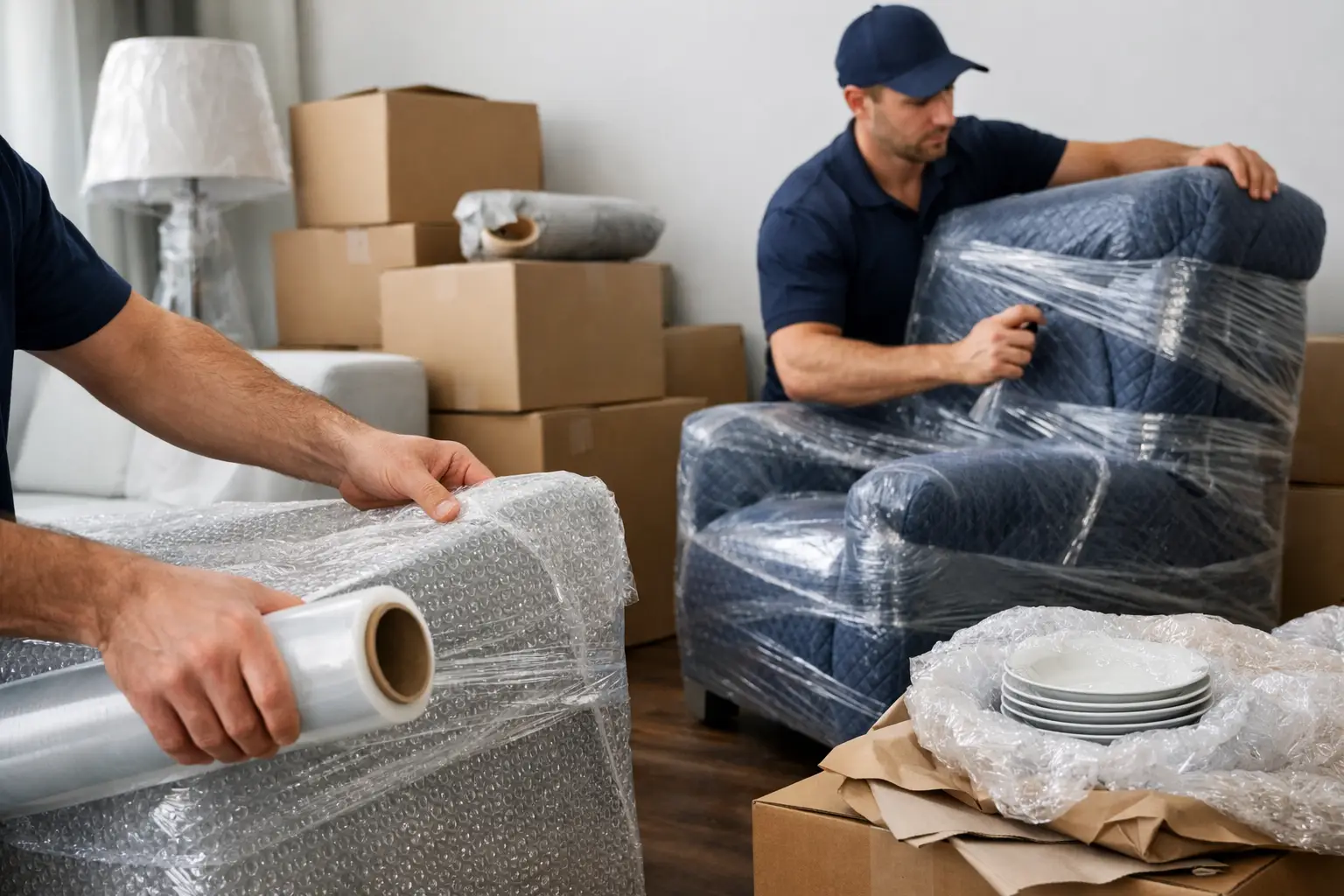
A scratched dining table, cracked television screen, or torn sofa corner can turn moving day into an expensive frustration. Professional wrapping for movers is the hands-on protection that helps prevent those problems before belongings ever reach the truck. It is not simply covering items in blankets. Done correctly, it is a careful process of assessing each piece, choosing the right material, securing it without causing damage, and loading it so protection stays in place throughout the move.
For households and businesses across Dallas-Fort Worth, proper wrapping brings peace of mind when furniture, electronics, artwork, and other valued belongings are in transit. Whether you are moving a few miles away or relocating elsewhere in Texas, the quality of this work can make a real difference at delivery.
What Professional Wrapping for Movers Includes
Professional wrapping is tailored to the item being moved. A solid wood dresser needs different protection than a glass-top table, while an office copier requires a different approach than a sectional sofa. Experienced movers look beyond an item’s size and consider its surface, weight, weak points, removable parts, and the way it will travel through doorways, hallways, stairs, and the moving truck.
Furniture pads, stretch wrap, shrink wrap, bubble cushioning, packing paper, corner guards, and mattress bags all have a purpose. Furniture pads create a protective layer against rubbing and impact. Stretch wrap helps keep pads secured around upholstered pieces and keeps drawers or doors from opening. It should not be applied directly to delicate wood, leather, or finished surfaces when moisture, heat, or adhesive pressure could affect the material.
For fragile pieces, wrapping often includes cushioning followed by secure placement in a properly sized box or crate. Glass, mirrors, framed art, and stone surfaces need special attention at the corners and edges, where impact damage is most likely. The goal is to prevent movement within the package as well as protect the exterior.
Why Blankets Alone Are Not Enough
Moving blankets are essential, but they are only one part of safe handling. A blanket that is loose, too thin, or poorly secured can shift while an item is carried or during transportation. That leaves exposed corners and allows surfaces to rub together. A professional team uses pads strategically, then secures them so they remain in place without placing excessive pressure on the furniture.
Loading matters just as much as wrapping. Even well-protected furniture can be damaged if it is stacked improperly, pressed against an unprotected hard edge, or allowed to move in the truck. Movers should create a stable load by distributing weight carefully, securing pieces as needed, and separating fragile items from heavier cargo.
This is also why wrapping should begin before furniture reaches the truck. Trying to protect items after they are already loaded can create rushed work, crowded conditions, and missed details. Careful preparation keeps the move organized from the first carry-out to the final placement at your new location.
Furniture That Needs Extra Care
Most residential moves include at least a few pieces that deserve more than a quick cover. Wood furniture can scratch easily, especially on legs, corners, and detailed trim. Upholstered furniture can snag, stain, or collect dust during a move. Leather furniture needs breathable protection and thoughtful handling to avoid scuffs or marks.
Glass-top tables, mirrors, televisions, and framed artwork need support that protects both the face and the edges. For a large television, using its original box is ideal when available. If it is not, the screen should be protected with appropriate materials and moved upright whenever possible. Laying a television flat can increase the risk of screen damage, depending on the model and size.
Mattresses and box springs should be placed in clean protective bags. This keeps them away from dirt, moisture, and contact with floors, truck surfaces, or other belongings. Appliances may require preparation as well. Refrigerators should be emptied and allowed time to defrost when needed, while washers and dryers may need hoses disconnected and secured before transportation.
Wrapping for Office and Commercial Moves
Commercial moves bring a different set of concerns. Office desks, conference tables, filing cabinets, monitors, printers, and specialized equipment all need a clear handling plan. The priority is not only protecting equipment but also reducing downtime for the business.
Desks and larger workstations may need to be disassembled before wrapping and reassembled at the destination. Components should stay organized so hardware, panels, and cables do not get separated. Filing cabinets often need an assessment before moving. Smaller units may be moved with contents secured, but heavy or unstable cabinets may need to be emptied first.
Electronic equipment is especially sensitive to impact and pressure. Computers, monitors, and networking equipment should be packed in suitable containers, cushioned to limit movement, and clearly identified for careful handling. A responsible moving team will discuss access points, elevator reservations, building rules, delivery timing, and workspace setup before moving day. Planning these details helps protect property and keeps the relocation on schedule.
The Value of Disassembly and Reassembly
Some of the hardest pieces to wrap are easier to protect once they are partially disassembled. Bed frames, large dining tables, modular sectionals, shelving units, and certain desks may not fit safely through tight spaces as a single piece. Taking them apart can reduce the chance of strained corners, damaged walls, or injuries during carrying.
Disassembly should be purposeful, not excessive. Every extra piece creates another item to track and reassemble. Skilled movers remove only what is necessary, keep hardware with the correct item, and protect individual components before loading. At the new location, reassembly allows you to settle in more quickly without facing a pile of disconnected furniture after the truck leaves.
How to Prepare Before the Movers Arrive
Professional movers can handle the physical work, but a little customer preparation helps them provide the best protection. Clear paths through the home or office, identify items that need special care, and set aside personal essentials that should travel with you. This may include medications, important documents, valuables, keys, chargers, and anything you will need on the first night.
Let the moving team know about fragile, unusually heavy, or high-value items before moving day. A piano, large safe, antique cabinet, oversized artwork, or delicate collection may require additional materials, more time, or a specialized plan. Clear information allows the team to provide a more accurate quote and arrive prepared.
It is also helpful to point out existing damage before wrapping begins. Honest communication protects everyone. A professional company should document concerns, explain the handling approach, and answer questions directly rather than making vague promises.
Choosing a Moving Team That Handles Belongings Responsibly
The lowest price does not always deliver the best value when your furniture and equipment are at stake. Ask a moving company what materials they use, whether wrapping is included in the service plan, and how they handle fragile or oversized items. You should also ask about disassembly, reassembly, and the process for addressing concerns if they arise.
Look for a team that gives straightforward answers and takes time to understand the scope of your move. Reliable movers do not treat every home or office the same. They build a plan around your inventory, access conditions, timeline, and level of packing help needed.
Triple 4 Moving and Shipping Company provides professional packing, wrapping, lifting, disassembly, reassembly, and transportation for Dallas-Fort Worth households and businesses. The focus is simple: handle each move with honesty, reliability, efficiency, and fairness, so customers can focus on the next step rather than worry about every item in transit.
Your belongings represent more than a moving checklist. They are the furniture your family uses every day, the equipment that keeps your business running, and the items that make a new space feel like home. Give them the level of protection and careful handling they deserve from the start.
Leave a Reply